Home About Founder Practice Directory Overview - NPA Policy & Banking Training - Corporate & SME Legal Advice - Borrower & Guarantor Defense - SARFAESI Auction Disputes Contact & Inquiry
Constitutional Banking Jurisprudence

High Court Civil Writ Petitions (CWP) under Article 226 in Banking & NPA Matters of Gross Injustice

Adv. Shakti Kumar Jain, B.Com, CAIIB, LL.B. (Gold Medalist)

Founder & Lead Consulting Counsel, NPADoctor.com

Retired Senior Officer from State Bank of India (SBI) Stressed Assets Management (SAM) Branch with 35 years of core banking experience in managing, auditing, defending, and resolving Non-Performing Assets (NPAs).

Best advocate for High Court Banking CWP Adv Shakti Kumar Jain

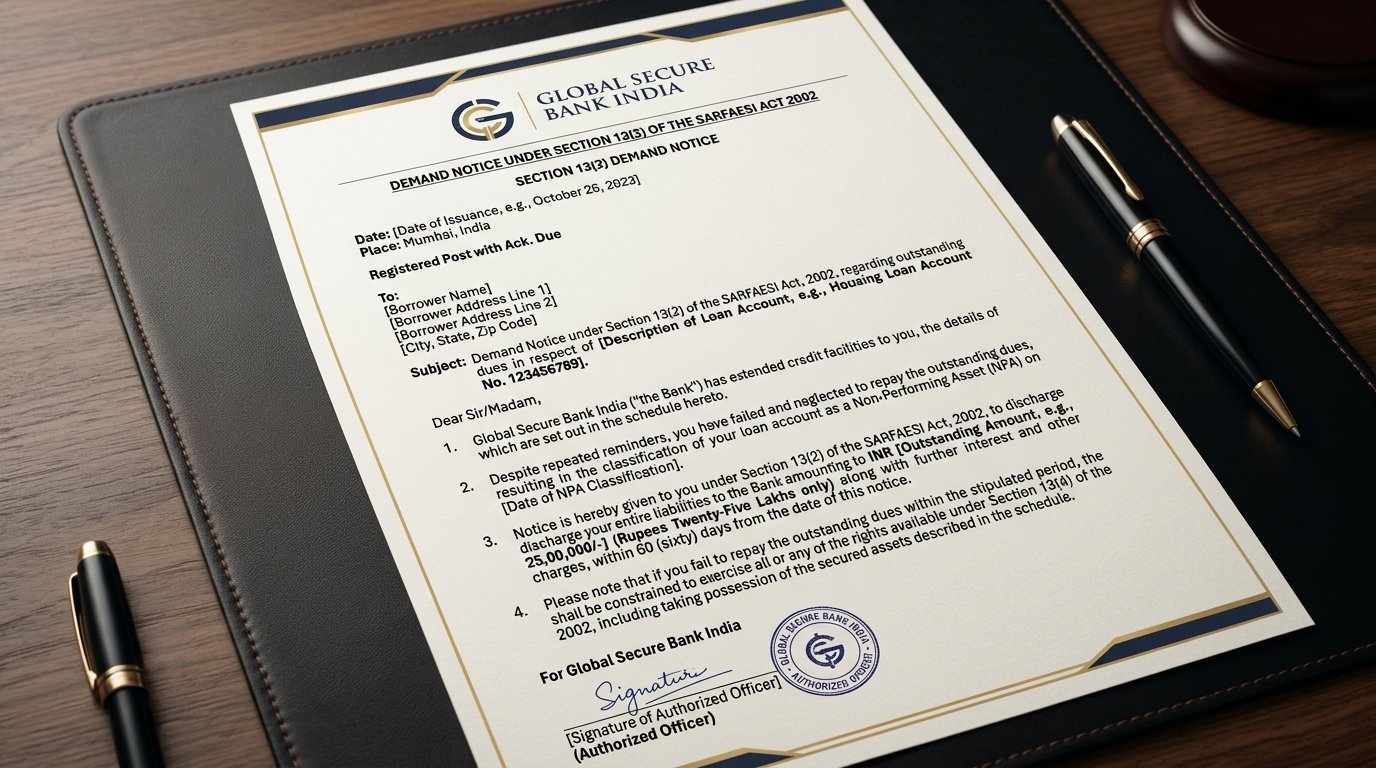
Figure 1: High Court Constitutional Writ Remedies (Article 226) against Arbitrary Bank NPA Actions.

1. Invoking Article 226 Extraordinary Constitutional Jurisdiction

While Section 17 of the SARFAESI Act 2002 provides an alternative statutory remedy before Debt Recovery Tribunals (DRT), the extraordinary constitutional jurisdiction of the High Court under Article 226 of the Constitution of India can be validly invoked in cases involving gross bank neglect, patent illegality, arbitrary NPA classification, or flagrant violation of fundamental principles of natural justice.

2. Key Grounds for High Court Civil Writ Petitions (CWP) in NPA Matters

  • Violation of Article 14 Non-Arbitrariness Mandate: Where a Public Sector Bank or Financial Institution acts arbitrarily, selectively target borrowers, or violates its own mandatory non-discretionary recovery policies.
  • Breach of Natural Justice in Section 13(3A) Rejection: Where the bank fails to provide a reasoned, non-stereotypical reply to borrower objections prior to taking coercive physical possession under Section 13(4) / Section 14.
  • Enforcement of Statutory Exemptions (Section 31(i)): Where a bank illegally initiates SARFAESI action against agricultural land in direct defiance of the absolute statutory bar under Section 31(i).
  • Arbitrary SMA/NPA Date Manipulation: Where the lender miscalculates the 90-day overdue period or fails to credit payments made before the cutoff date, leading to premature account classification.

3. Landmark Supreme Court Rulings on High Court Writ Maintenance

Although the Supreme Court in United Bank of India v. Satyawati Tondon (2010) emphasized exhaustion of statutory remedies before DRT, subsequent Constitution Bench and Division Bench judgments have affirmed that High Courts retain full jurisdiction to entertain CWPs under Article 226 where:
1. The bank's action is fundamentally without jurisdiction or unconstitutional.
2. There is a complete violation of natural justice (audi alteram partem).
3. The statutory tribunal (DRT) is non-functional or lacks quorum in the relevant state jurisdiction.

Expert Constitutional & Banking Dual Authority

Drafting effective High Court CWPs requires a deep synthesis of banking accounting (CAIIB) and constitutional law distinction (Gold Medalist LL.B.). Adv. Shakti Kumar Jain brings 35 years of senior SBI SAM Branch insight to challenge bank overreach.

For more detailed legal information, statutory analysis, and practice guidelines, please visit our comprehensive Practice Areas Directory .

I want to know more...